

Table of Contents
Introduction to Flour Types
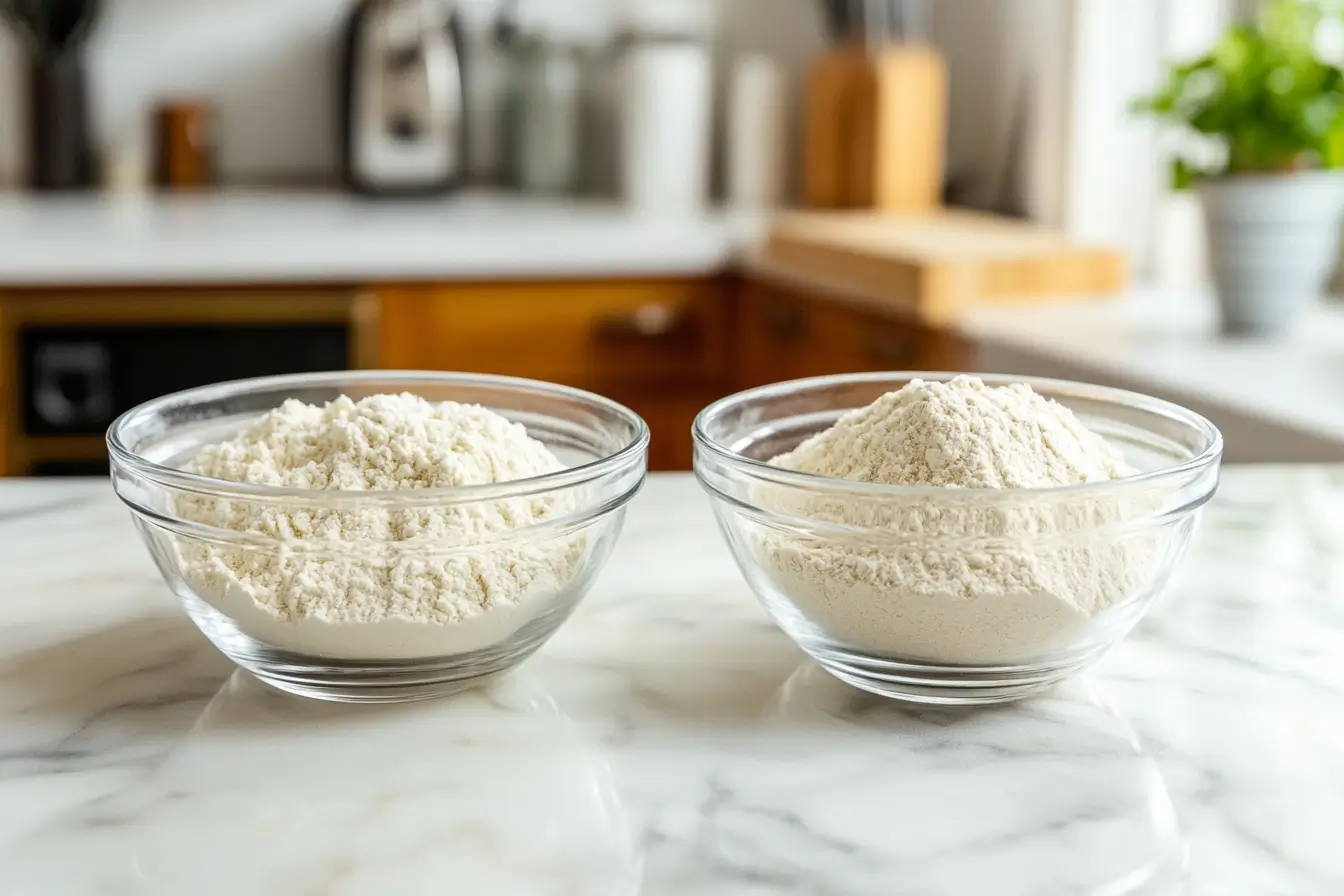
When it comes to baking, flour is the backbone of nearly every recipe. But choosing the right type of flour can feel like solving a culinary riddle. Today, we’re diving into two popular options: self-rising flour and all-purpose flour. Understanding their differences can save you from recipe disasters and help you bake like a pro!
What Is Self-Rising Flour?
Self-rising flour is like the ultimate shortcut for baking. It’s a pre-mixed blend of all-purpose flour, baking powder, and salt. This means it already has the leavening agents needed to help baked goods rise beautifully.
Fun fact: Self-rising flour was invented in the 1840s by an English baker named Henry Jones. It was initially designed for sailors to enjoy fresh bread while at sea!
Some common recipes that call for self-rising flour include biscuits, pancakes, and quick breads. You can find more ideas in this collection of self-rising flour recipes.
What Is All-Purpose Flour?
All-purpose flour, as the name suggests, is the go-to option for most recipes. Unlike self-rising flour, it’s a blank slate—it doesn’t include baking powder or salt. This makes it versatile, allowing you to adjust leavening agents and seasoning as needed.
Want to see how versatile it is? Check out this 4-ingredient banana bread recipe for inspiration.
The Key Differences Between Self-Rising Flour and All-Purpose Flour

Ingredients Comparison: What Sets Them Apart?
The primary difference is what’s inside. Self-rising flour includes baking powder and salt, while all-purpose flour is simply refined wheat flour. Here’s a quick breakdown:
| Flour Type | Ingredients |
|---|---|
| Self-Rising Flour | Flour, Baking Powder, Salt |
| All-Purpose Flour | Flour only |
Texture and Baking Performance
Self-rising flour is great for recipes that require a lighter, fluffier texture, like biscuits or pancakes. On the other hand, all-purpose flour is better suited for recipes requiring more structure, such as cookies or bread.
For example, hotcake mix recipes often benefit from the fluffiness of self-rising flour.
Nutritional Differences
In terms of nutrition, both flours are quite similar as their base ingredient is the same: wheat. However, self-rising flour might contain slightly more sodium due to the added salt.
Tip: If you’re watching your sodium intake, make your own self-rising flour by mixing 1 cup of all-purpose flour with 1 ½ teaspoons of baking powder and ¼ teaspoon of salt.
Common Uses for Self-Rising Flour

Best Recipes for Self-Rising Flour
Self-rising flour is a dream for quick and easy recipes. Here are a few popular options:
- Buttermilk Biscuits
- Southern-style Pancakes
- Quick Breads
For more recipe ideas, take a look at this ultimate collection of self-rising flour recipes.
Tips for Perfect Baking with Self-Rising Flour
Baking with self-rising flour is all about balance. Here are some pro tips:
- Don’t add extra baking powder or salt—self-rising flour already has them.
- Use it for recipes that don’t require yeast, like cakes and muffins.
- Store it in an airtight container to keep it fresh and avoid clumping.
Common Uses for All-Purpose Flour
All-Purpose Flour in Everyday Cooking and Baking
All-purpose flour shines in a wide range of recipes. It’s the best choice for cookies, cakes, pie crusts, and even savory dishes like breaded chicken. Think of it as your baking Swiss Army knife!
Popular Recipes Using All-Purpose Flour
Here are a few crowd-pleasers that highlight the versatility of all-purpose flour:
- Chocolate Chip Cookies
- Classic White Bread
- Homemade Pizza Dough
If you’re looking for something different, check out this guide to great American cookies.
Substituting One Flour for Another
Can You Make Self-Rising Flour from All-Purpose Flour?
Absolutely! If you find yourself without self-rising flour, you can easily make your own at home. All you need is three simple ingredients: all-purpose flour, baking powder, and salt. Here’s the quick formula:
DIY Self-Rising Flour:
– 1 cup all-purpose flour
– 1 ½ teaspoons baking powder
– ¼ teaspoon salt
Mix these ingredients together, and you’re good to go! This substitute works perfectly in most recipes that call for self-rising flour.
Adjusting Recipes for Substitutions
Swapping flours isn’t always straightforward. Here’s what to keep in mind:
- If you substitute all-purpose flour for self-rising flour, don’t forget to add baking powder and salt separately.
- When using self-rising flour in place of all-purpose flour, omit any baking powder and reduce salt in the recipe.
- Be cautious when using self-rising flour in yeast-based recipes, as it can interfere with the rise.
Not sure which recipe to try? Experiment with these self-rising flour recipes for inspiration!
Common Baking Problems and Solutions
What Happens When You Use the Wrong Flour?
Ever accidentally used self-rising flour when the recipe called for all-purpose flour? It happens! Here’s what might go wrong:
- Your baked goods may rise too much and collapse due to excess leavening.
- The flavor could be overly salty if you don’t adjust for the added salt in self-rising flour.
On the flip side, using all-purpose flour instead of self-rising might result in dense, flat baked goods since there’s no built-in leavening agent.
How to Fix Common Baking Mistakes
Messed up your flour choice? Don’t panic. Here are some quick fixes:
- If you used self-rising flour by mistake, reduce other leavening agents (like baking powder) and avoid adding extra salt.
- If you forgot the leavening in an all-purpose flour recipe, try mixing a small amount of baking powder with water and gently folding it into the batter.
Pro Tip: Always read the recipe twice before starting. It’s a simple step that can save you from these baking headaches!
Tips for Choosing the Right Flour for Your Recipes
Factors to Consider When Deciding
Choosing between self-rising and all-purpose flour depends on the recipe and your desired results. Ask yourself:
- Do I need a light and fluffy texture (self-rising flour) or a dense and chewy one (all-purpose flour)?
- Am I following a recipe that already includes baking powder and salt?
- What’s my level of control? (All-purpose flour gives you more flexibility.)
Baking Tips for Beginners
New to baking? Start with all-purpose flour. It’s versatile and forgiving, making it a great choice for experimenting. Once you’re comfortable, try self-rising flour for quick and easy recipes that don’t need much measuring.
Check out this easy homemade graham crackers recipe as a fun starting point!
Flour Storage and Shelf Life
Proper Storage Techniques for Different Flours
Storing flour correctly is key to keeping it fresh and free from pests. Here’s how to do it:
- Store flour in an airtight container to prevent moisture and odors from seeping in.
- Keep it in a cool, dry place—ideally, a pantry or cupboard.
- If you’re not planning to use it for a while, freeze the flour to extend its shelf life.
How Long Do Self-Rising and All-Purpose Flours Last?
Here’s a general guideline for flour shelf life:
| Flour Type | Pantry | Freezer |
|---|---|---|
| Self-Rising Flour | 4-6 months | Up to 1 year |
| All-Purpose Flour | 6-8 months | Up to 2 years |
Tip: Label your flour containers with the purchase date to avoid using expired ingredients. Fresh flour = better baked goods!
Frequently Asked Questions About Self-Rising Flour and All-Purpose Flour
Can You Substitute All-Purpose Flour for Self-Rising Flour?
Yes, but you’ll need to adjust the recipe. Add 1 ½ teaspoons of baking powder and ¼ teaspoon of salt per cup of all-purpose flour to create a self-rising flour substitute. This will give you similar results without needing to run to the store.
What Happens If You Accidentally Use Self-Rising Flour Instead of All-Purpose?
If you accidentally use self-rising flour in a recipe that calls for all-purpose flour, the outcome depends on the recipe. Baked goods may rise too much due to the extra leavening agents, potentially causing them to collapse. Additionally, they might taste saltier than intended. To fix this, reduce or omit the baking powder and salt from the recipe next time.
Does Self-Rising Flour Make a Difference?
Self-rising flour can make a huge difference in recipes that rely on quick leavening, such as biscuits, pancakes, and cakes. It saves time by combining flour, baking powder, and salt in one product. However, for recipes requiring precise control over leavening or for bread made with yeast, all-purpose flour is often the better choice.
What Happens If I Use Plain Flour Instead of Self-Raising?
If you use plain (all-purpose) flour instead of self-rising flour, your baked goods may turn out dense and flat because they lack the necessary leavening agents. To prevent this, add baking powder and salt to mimic self-rising flour, following the substitution formula provided earlier.
Which Flour Is Right for You?
Making the Best Choice for Your Baking Needs
The choice between self-rising flour and all-purpose flour boils down to the recipe and your preferences. If you’re looking for convenience and simplicity, self-rising flour is a fantastic option for quick recipes. On the other hand, if you prefer versatility and control over ingredients, stick with all-purpose flour—it’s the MVP of the baking world.
Final Thoughts and Recommendations
Now that you know the differences between self-rising flour and all-purpose flour, you’re ready to tackle any recipe with confidence! Remember, baking is as much about experimenting as it is about precision. So, grab your flour, preheat that oven, and let your culinary creativity shine. Happy baking!